A small leak can seem harmless at first, but over time it can quietly damage ceilings, walls, and even the structure of a home. Many homeowners only realize the seriousness of a roofing issue when water stains spread or shingles begin to fail. Understanding Cedar Park Roof Repair process can help you act quickly, reduce damage, and restore your roof before the problem worsens. Knowing what to expect also removes uncertainty and allows you to make confident decisions when repairs are needed.
Understanding the Importance of Timely Roof Repair
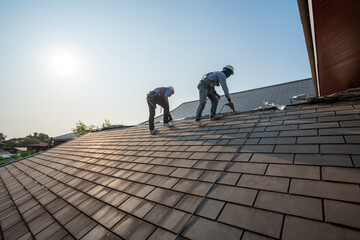
Roof repair is one of the most critical aspects of home maintenance. The roof acts as the primary barrier against weather conditions, protecting everything inside from rain, wind, and heat. When even a small section becomes damaged, the entire system can be compromised.
Delaying repairs can lead to more severe problems such as mold growth, rotting wood, and insulation damage. Water intrusion often spreads beyond the visible area, affecting parts of the home that are not immediately noticeable. Addressing issues early not only preserves the structure but also saves money by preventing larger and more complex repairs.
Timely roof repair also helps maintain energy efficiency. A damaged roof can allow air to escape, making heating and cooling systems work harder. This leads to increased energy consumption and higher utility bills. Taking action as soon as damage is detected ensures the home remains protected and efficient.
Common Causes of Roof Damage
Understanding what causes roof damage can help homeowners identify problems sooner. Weather is one of the most common factors. Heavy rain, strong winds, and prolonged sun exposure gradually weaken roofing materials. Over time, shingles may crack, curl, or loosen.
Poor installation can also contribute to early roof failure. If materials are not properly secured or if flashing is incorrectly installed, water can find its way into vulnerable areas. Lack of maintenance is another major cause. Debris buildup, clogged gutters, and neglected inspections can accelerate wear and tear.
Natural aging is unavoidable and plays a significant role in roof damage. As materials reach the end of their lifespan, they become less effective at protecting the home. External elements such as falling branches or debris can also cause sudden and noticeable damage that requires immediate attention.
Initial Roof Inspection and Assessment
The first step in the roof repair process is a thorough inspection. This stage is essential for identifying the source and extent of the damage. A visual examination typically includes checking shingles, flashing, gutters, and other components for signs of wear or failure.
During the inspection, attention is given to both the exterior and interior of the home. Inside, ceilings and attic spaces are checked for water stains, moisture, or mold. These indicators can help pinpoint the location of leaks that may not be obvious from the outside.
Once the inspection is complete, a detailed assessment is made to determine the best course of action. Some issues may require minor repairs, while others could indicate more extensive damage. This step ensures that the repair plan addresses the root cause rather than just the visible symptoms.
Preparing for the Roof Repair Process
Preparation is a key part of ensuring a smooth and effective repair. Before any work begins, the damaged area is cleared of debris and any loose materials are removed. This creates a clean surface for the repair and prevents further complications during the process.
Safety measures are also put in place to protect both the workers and the property. This may include securing the work area and ensuring proper equipment is used. Proper preparation helps minimize risks and allows the repair to be completed efficiently.
Homeowners may also need to make minor adjustments, such as moving items away from the work area or ensuring easy access to the roof. Taking these steps ahead of time can help avoid delays and make the repair process more streamlined.
Step by Step Roof Repair Process
The actual repair process varies depending on the type and severity of the damage, but it generally follows a structured approach. The first step involves removing the damaged materials. This could include broken shingles, deteriorated flashing, or compromised underlayment.
After removal, the underlying structure is inspected for any signs of damage. If the decking or support components are affected, they must be repaired or replaced before new materials are installed. This ensures a solid foundation for the repair.
Once the base is secure, new materials are installed to replace the damaged sections. Shingles are carefully aligned and secured, while flashing is installed around vulnerable areas to prevent water infiltration. The repaired section is then sealed to ensure it blends seamlessly with the rest of the roof.
The final step involves checking the repaired area to ensure it is properly installed and fully functional. This includes verifying that there are no gaps or weak points that could lead to future issues. A thorough cleanup is also performed to remove any leftover debris.
How Long Does a Roof Repair Take
The duration of a roof repair depends on several factors, including the extent of the damage and the size of the affected area. Minor repairs, such as replacing a few shingles or sealing a small leak, can often be completed within a few hours.
More extensive repairs may take a full day or longer, especially if structural components need to be addressed. Weather conditions can also impact the timeline. Rain or strong winds may delay the process, as repairs require dry and stable conditions for proper installation.
Planning and preparation can help ensure the repair is completed as efficiently as possible. While timelines may vary, addressing the issue promptly helps prevent further damage and reduces the overall time required for repairs.
Preventing Future Roof Problems
After completing a roof repair, taking steps to prevent future issues is essential. Regular inspections can help identify potential problems before they become serious. Checking the roof after storms or extreme weather can also reveal damage that needs immediate attention.
Keeping gutters clean and free of debris ensures proper water drainage, reducing the risk of leaks and water buildup. Trimming nearby trees helps prevent branches from falling onto the roof and causing damage.
Routine maintenance plays a significant role in extending the lifespan of the roof. By staying proactive and addressing minor issues early, homeowners can avoid frequent repairs and maintain the integrity of their roofing system.
Conclusion
The roof repair process is a vital part of maintaining a safe and secure home. From the initial inspection to the final sealing of repaired areas, each step plays a crucial role in restoring the roof’s functionality. Understanding how the process works allows homeowners to act quickly and make informed decisions when problems arise.
Addressing roof damage promptly not only prevents further deterioration but also protects the overall structure of the home. With proper care, timely repairs, and ongoing maintenance, a roof can continue to provide reliable protection and peace of mind for many years.