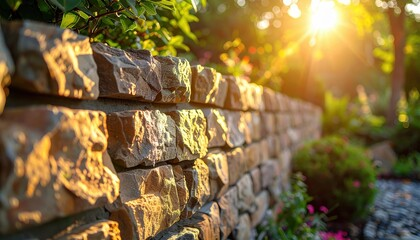
Step into a beautifully designed yard and you will notice more than just plants and greenery. The layout feels intentional, the pathways guide your movement, and the space seems both functional and inviting. This is the result of thoughtful hardscaping design. It provides the structure that shapes outdoor areas and turns open land into usable living spaces.
Hardscaping design is essential for creating balance in outdoor environments. It combines durable materials with creative planning to enhance both appearance and functionality. Visit Website to learn more.
What Is Hardscaping Design
Hardscaping design is the process of planning and arranging non living elements in an outdoor space. These elements include patios, walkways, driveways, retaining walls, and other structural features.
Unlike landscaping, which focuses on plants, hardscaping design emphasizes materials such as concrete, stone, brick, and wood. These materials provide stability and long lasting support.
The goal is to create a layout that is both practical and visually appealing. A well designed hardscape ensures that every element has a purpose.
It also helps define how the space is used and experienced.
Key Elements of Hardscaping Design
Several elements are involved in creating an effective hardscaping design. Layout is one of the most important, as it determines how different areas connect and function.
Patios provide spaces for relaxation and entertainment. Walkways guide movement and improve accessibility throughout the yard.
Retaining walls add structure and help manage slopes or uneven terrain. Driveways and steps improve both function and safety.
Lighting can enhance visibility and create ambiance, especially during evening hours.
Each element works together to form a cohesive and functional design.
Popular Hardscaping Design Styles
Hardscaping design can follow different styles depending on your preferences. Modern designs often feature clean lines, simple shapes, and minimal details.
Traditional designs include classic materials such as brick and stone, with more detailed patterns and symmetrical layouts.
Rustic designs focus on natural materials and textures, creating a warm and organic feel.
Contemporary styles blend modern and natural elements, offering a balance between structure and softness.
Choosing a style helps guide material selection and overall design.
Materials Used in Hardscaping Design
The choice of materials plays a major role in the final look and durability of the design. Concrete is widely used due to its strength and versatility.
Natural stone offers a premium appearance and adds texture to outdoor spaces. It is often used for patios and pathways.
Brick provides a timeless look and works well for walkways and decorative features.
Wood is commonly used for decks and certain structures, adding warmth and contrast.
Selecting the right materials ensures both durability and aesthetic appeal.
The Hardscaping Design Process
The design process begins with evaluating the outdoor space. This includes assessing the size, layout, and existing features.
Next, goals and preferences are discussed. This helps determine how the space will be used and what style is desired.
A design plan is then created, outlining the placement of features and materials. This plan ensures that all elements work together.
Preparation and installation follow, bringing the design to life. Each feature is built according to the plan.
A final review ensures that the space meets expectations and functions as intended.
Benefits of Hardscaping Design
Hardscaping design offers several advantages. One of the main benefits is improved functionality. It creates defined spaces for activities such as dining, relaxing, and entertaining.
Durability is another key advantage. Hardscaped features are built to withstand weather and heavy use.
Low maintenance is also important. These elements require less upkeep compared to plants and lawns.
Hardscaping can increase property value by enhancing curb appeal and usability.
It also improves drainage and helps prevent soil erosion.
Hardscaping Design vs Landscaping Design
Hardscaping design focuses on structural elements, while landscaping design involves plants and greenery. Both are important for creating a balanced outdoor space.
Hardscaping provides the framework, while landscaping adds softness and color.
Together, they create a complete and cohesive design that enhances both function and appearance.
Understanding this relationship helps you plan a more effective outdoor project.
Tips for a Successful Hardscaping Design
Creating a successful design requires careful planning. Start by defining how you want to use the space. This helps determine the layout and features.
Consider the size and shape of your yard. This ensures that the design fits naturally within the space.
Choose materials that match your style and maintenance preferences.
Think about flow and accessibility. Pathways should make it easy to move between areas.
Balance is important. Combining different elements without overcrowding creates a more inviting environment.
These tips help ensure a functional and visually appealing result.
Maintaining Your Hardscape
Proper maintenance helps preserve the appearance and durability of hardscaped features. Regular cleaning removes dirt and debris.
Sealing materials such as concrete or stone provides protection against weather and stains.
Inspecting for cracks or damage allows for early repairs, preventing larger issues.
Maintaining proper drainage ensures that water does not damage the structure.
With minimal upkeep, hardscaping can remain in excellent condition for many years.
Final Thoughts
Hardscaping design is a key component of creating functional and attractive outdoor spaces. It provides the structure that supports landscaping and enhances how you use your property.
By understanding the elements, materials, and process involved, you can create a design that meets your needs and reflects your style. With proper planning and maintenance, hardscaping offers long lasting value and enjoyment.
In the end, hardscaping design is more than just building features. It is about shaping your outdoor environment into a space that is durable, beautiful, and perfectly suited to your lifestyle.