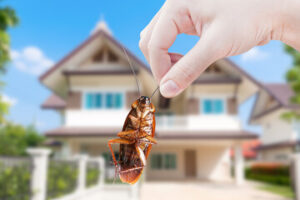
Pests contaminate food and living spaces. They cause stress, sleeplessness and a general feeling of “ewwww” at home. They destroy furniture, electrical wires and gnaw through pipes and insulation like an all-you-can-eat buffet, increasing the risk of fires, flooding and costly damage.
Pest Control Fort Pierce treatment is essential to get rid of pests and restore your peace of mind. However, you might be wondering how long does it last?
Treatment Duration
In most cases, pest control treatments last a few days to a few weeks. If you still see pests in or around your home a few days after treatment, it’s a good idea to call your exterminator and schedule a recheck. In the meantime, you can take steps to help pests die off more quickly.
Getting rid of pests with pest control takes time and effort on both the homeowner’s and exterminator’s part. Preventative measures, such as cleaning up food, putting away pet toys and dishes, and sealing cracks and holes, can reduce pest infestations so they don’t require reactive treatment.
The length of a pest control treatment depends on the type of pest and the treatment method. Mosquito control treatments, for example, take 30 minutes to 2 hours, while bed bug treatments usually last a few days. Immediate results are often seen for mosquito control, ant, and other household pests, but termites may take longer to show visible effects.
Pesticides can also linger in the air for a while after application, so they’ll continue to kill pests for a period of time afterward. However, they’ll lose effectiveness over time, and it will be necessary to renew them. Some homeowners choose to use bait stations instead of spraying, which reduces the amount of pesticide used.
When you have a pest control service scheduled, it’s important to clear the area before the technician arrives. Clearing the area gives them easier access to areas where pests are hiding and allows them to focus their efforts more efficiently. It’s also a good idea to move your pets or children to a safe place for the duration of the treatment.
Rain can also shorten the life of some pest control treatments. This is especially true of chemical pesticides, which will only be effective in certain weather conditions. For this reason, it’s best to have your pest control services completed in the summer or fall when the weather is dry and consistent. However, many pest control companies incorporate integrated pest management (IPM) strategies into their treatments to extend their results.
Environmental Conditions
Aside from the types of pesticides and application methods, environmental conditions significantly affect how long a treatment lasts. Depending on your location, weather can cause pests to move indoors or out, and it can affect their activity level. A warm, humid climate can allow some pests to stay active year-round, while a colder environment can cause them to slow down or move indoors.
Rain can also impact the effectiveness of treatments, especially if it’s consistent and heavy. This can shorten the duration of outdoor sprays and gel baits to just 60 days or less.
Another environmental factor that influences pest control treatments is water contamination. Chemical runoff from properties can carry pesticide residues into water systems, and this can negatively impact local fish populations and the quality of surrounding lakes, rivers, and creeks. It can also compromise municipal water supplies and turn a local pest infestation into a regional environmental issue.
Pest control professionals take all of these factors into consideration, and they work hard to prevent re-infestation between service visits. A mild issue like a few roaches or ants typically only requires a standard initial treatment followed by quarterly check-ins, while severe infestations require specialized heat treatments or insect growth regulators for complete eradication.
Insect Population
Insect populations are declining worldwide, causing serious concerns for the planet’s food supply, ecosystems and biodiversity. According to a 2021 metastudy, the global insect population is declining by at least 1% per year, which is eight times faster than mammals, birds and reptiles.
The causes of the insect decline are many and varied, including climate change, agriculture, habitat loss and pesticide use. In addition, invasive species are often on the rise, resulting in outbreaks of diseases such as dengue fever.
Agriculture and urbanization destroy natural habitats that support insect populations, reducing food sources and shelter. Over time, this leads to population loss for native insects and a boom in the number of invasive pests. Insects are also killed or displaced by pesticides, which kill not only targeted crop pests but also their natural enemies. This is why it is important to consider the impact of a pest control treatment at a systemic level.
Pesticides are known to disrupt the ecological balance between incipient pests and their natural predators and parasites. Moreover, they can cause an insect outbreak by suppressing or killing the beneficial insects that keep pest numbers under control. This is especially problematic when a single pesticide is used repeatedly, which allows the development of resistance in the pest species.
Biological pest control is an alternative to chemical treatments that relies on the natural mechanisms of predation, parasitism, herbivory and pathology to reduce pest population levels. In classic biological control, the organisms that naturally target a pest are bred and then released into the environment in small batches or in one large-scale release. Ideally, the release is done in close proximity to a pest infestation and is managed over a long period of time to ensure that the new natural enemy populations establish themselves and are effective against the pest.
Although there are a wide range of sampling techniques for estimating the density of insect populations, no technique is perfect. This is because all methods are intrinsically biased in one way or another and may produce different results depending on the sampling method, environmental conditions and the pest in question.
Prevention
Pest control treatments are often a necessity for preventing or limiting the spread of unwanted organisms. Some of these organisms pose health risks, while others cause damage to property or the environment. Termites can eat away at wooden structures, while rodents may chew through electrical wiring, creating fire hazards and other safety issues. Preventive pest control services help ensure that these organisms do not enter homes or businesses to wreak havoc and cause expensive damage.
Different pests require different treatment methods. For example, a termite infestation requires sprayed barriers or granules while a flea infestation may be controlled through traps and other cultural controls. A thorough pest inspection is the first step to finding a pest management solution that will be effective for your home or business.
The duration of pest control treatment also depends on the types of chemicals used and environmental conditions. Chemical pesticides can contaminate soil and water if overused or misapplied, harming ecosystems and non-target species like pollinators and aquatic life. Integrated pest management (IPM) strategies use targeted pesticides and other preventative measures to minimize the impact of pesticides on the environment.
When it comes to long-term prevention, the most important thing is regular service. A monthly schedule is ideal for most homes, balancing efficiency and cost. It is possible to reduce the frequency of pest control services during cooler months, but regular maintenance will always be needed for certain pests, such as cockroaches and bed bugs.
It is normal to see an uptick in pest activity immediately after a treatment, as these organisms are forced out of their hiding spots by the pesticide. This increased activity is a good sign that the pest control treatment is working as intended.
Keeping your property clean and food properly stored can also be helpful for maintaining an insect-free environment. Clutter provides places for pests to breed and hide, while cluttered areas can make it difficult to access and spray targeted areas. Routinely removing debris, caulking cracks, and using steel wool to fill holes in walls can all improve the effectiveness of pest control treatments.