Maintaining a comfortable indoor environment throughout the year requires more than just installing a heating or cooling system. It involves consistent, professional maintenance that keeps your air heating and air conditioning equipment functioning at peak performance. Routine care not only ensures better comfort but also plays a major role in improving energy efficiency, reducing utility costs, and extending the lifespan of your system.
With rising energy prices and higher demand for reliable indoor climate control, prioritizing proper maintenance has become essential for both homeowners and business owners. Read on to explore why professional Ausco Air Heating & Air Conditioning maintenance matters, what it includes, and how it improves overall system efficiency.
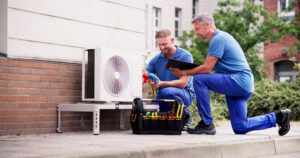
Professional HVAC maintenance goes far beyond simple cleaning or occasional inspections. It is a proactive measure that addresses wear and tear before issues escalate into major breakdowns. Many heating and cooling problems begin with small inefficiencies—dirt buildup, loose connections, decreased airflow, or minor refrigerant imbalances. Over time, these seemingly insignificant issues can cause the system to work harder than necessary, consuming more energy and eventually leading to unexpected malfunctions. With professional maintenance, these issues are identified and corrected early, helping ensure your system maintains smooth, efficient operation throughout the year.
One of the primary advantages of routine maintenance is energy efficiency. When air heating and air conditioning systems operate at peak performance, they require less energy to achieve the desired indoor temperature. Clean filters, lubricated components, calibrated thermostats, and unobstructed airflow all contribute to smoother operation. In contrast, neglected systems often struggle to function effectively, forcing the equipment to consume more power to maintain comfort. This inefficiency not only increases energy costs but also adds strain to the system, potentially reducing its lifespan. By keeping the equipment in optimal condition, professional maintenance helps maximize efficiency and minimize unnecessary energy consumption.
Another important aspect of maintenance involves preserving indoor air quality. Heating and cooling systems play a crucial role in circulating air throughout a home or business, and any buildup of dust, dirt, or contaminants can significantly affect the quality of the air being distributed. Dirty filters or clogged ducts contribute to poor air quality, which can affect overall comfort. Professional maintenance typically includes cleaning or replacing filters, checking ventilation pathways, and ensuring that airflow remains consistent and unobstructed. This helps maintain a healthier indoor environment and supports comfortable breathing conditions for occupants.
Furthermore, investing in routine maintenance is an effective way to extend the lifespan of your HVAC system. Heating units, cooling systems, and combined HVAC setups contain numerous mechanical parts that require regular attention to continue functioning properly. Without maintenance, components such as motors, belts, and electrical connections may wear out faster. Over time, a neglected system becomes more prone to breakdowns and costly repairs. Professional maintenance services focus on keeping all components in good working condition and reducing operational strain. As a result, the system experiences less wear and tear, which supports long-term longevity and reliability.
Professional air heating and air conditioning maintenance also plays a key role in preventing unexpected breakdowns. Whether you’re relying on a heating system during chilly weather or depending on your air conditioner during the warmer months, system failure at the wrong time can disrupt comfort and convenience. Breakdowns often result from small problems that are ignored until they escalate. A trained technician can identify early indicators of malfunction—such as unusual noises, inconsistent airflow, or minor leaks—and address them before they cause more serious issues. Preventive care minimizes the likelihood of sudden failures and helps maintain consistent indoor comfort throughout the year.
In addition to preventing breakdowns, routine maintenance contributes to more predictable and manageable HVAC expenses. When systems operate more efficiently, energy bills remain stable. When components are regularly inspected and serviced, repair needs become less frequent and generally less costly. Rather than facing major, unexpected expenses, homeowners and business owners can rely on smaller, scheduled maintenance costs that help keep the system running smoothly. This predictable investment helps maintain financial stability while ensuring high-quality indoor comfort.
Professional maintenance services usually include a full-system inspection, where technicians examine the heating and cooling components in detail. They clean coils, check refrigerant levels, inspect electrical connections, examine thermostats, measure airflow, and verify overall equipment performance. Each of these steps contributes to the system’s ability to run efficiently. For example, clean coils support proper heat exchange, while optimal refrigerant levels ensure the system cools effectively. Proper airflow helps prevent strain on the blower motor, and calibrated thermostats ensure accurate temperature control. Together, these tasks improve the performance and efficiency of the entire HVAC system.
Another benefit of maintenance is improved thermostat functionality. Thermostats play a vital role in indoor comfort and system efficiency, as they regulate the temperature and communicate with the equipment. Over time, thermostats may become miscalibrated or affected by dust and electrical issues. During maintenance, technicians inspect the thermostat to ensure its settings are accurate and responsive. Accurate thermostat operation prevents unnecessary system cycling, reducing energy waste and helping maintain a consistent indoor environment.
Maintenance also helps ensure safety within homes and businesses. Heating systems, in particular, require careful inspection to prevent potential hazards. For example, furnaces and heating units need proper ventilation to function safely. A professional technician will check for any issues related to airflow, gas connections, or exhaust pathways. This attention to detail helps ensure safe operation and reduces potential risks associated with heating equipment.
For businesses, professional HVAC maintenance provides additional advantages beyond improved efficiency and comfort. Commercial spaces often rely heavily on heating and cooling systems to maintain a productive environment for employees and a comfortable experience for customers. A malfunctioning HVAC system can disrupt operations, reduce customer satisfaction, and impact workplace productivity. Preventive maintenance helps avoid downtime by ensuring equipment operates reliably. Additionally, commercial environments often have higher HVAC demands due to larger spaces, higher occupancy, or specialized requirements. Routine professional maintenance is essential for managing these demands and supporting continuous operations.
Environmental sustainability is another important aspect of HVAC maintenance. Systems that operate efficiently consume less energy, which contributes to reduced environmental impact. When equipment performs optimally, it supports greener, more eco-conscious operations. Even small efficiency improvements can lead to meaningful reductions in energy use over time. By choosing routine maintenance, homeowners and businesses not only improve comfort and reliability but also support environmentally responsible practices.
Another advantage of regular HVAC maintenance is increased system consistency and comfort. Temperature fluctuations, uneven heating or cooling, and inconsistent airflow are common issues in neglected systems. These problems often stem from clogged filters, blocked vents, or faulty components that disrupt the even distribution of air. Professional maintenance corrects these issues by ensuring that the system delivers balanced airflow and stable temperatures throughout the indoor space. This results in a more comfortable and predictable indoor environment for all occupants.
Additionally, routine care helps reduce noise levels associated with air heating and air conditioning systems. Over time, loose parts, dust accumulation, or worn components can cause the system to produce unusual sounds. These noises can be both disruptive and a sign of underlying issues. During maintenance, technicians tighten connections, clean internal components, and ensure all parts are functioning smoothly. This helps maintain quiet operation and prevents noise-related discomfort.
One of the best ways to maximize the benefits of professional HVAC maintenance is to establish a consistent maintenance schedule. Scheduling service before the peak heating and cooling seasons is ideal, as it ensures your system is prepared to handle higher demand. Regular checkups also create a maintenance history that helps technicians identify recurring issues or trends. This allows for a more personalized approach to system care and supports long-term equipment performance.
In summary, professional air heating and air conditioning maintenance is a vital investment for anyone seeking better efficiency, lower energy costs, and long-lasting system performance. Through comprehensive inspections, regular cleaning, component care, and preventive measures, maintenance helps ensure that HVAC equipment operates at its best throughout the year. Homeowners and business owners benefit from greater indoor comfort, improved air quality, increased system longevity, and reduced risk of unexpected breakdowns. Establishing a routine maintenance schedule not only protects the investment in heating and cooling equipment but also enhances the overall quality of life indoors.
By prioritizing professional maintenance, you create a more efficient, reliable, and comfortable indoor environment for both residential and commercial spaces. Whether you rely on your HVAC system daily or during specific seasons, keeping it in peak condition ensures it delivers the comfort and performance you depend on. Through consistent care and attention, you can enjoy improved efficiency, stable energy costs, and long-term indoor comfort with confidence.
Visit our Professional Services Blogs
Smart Choice Plumbing And Air, Sanitize My Airducts, Bethesda Locksmith, Golden Coast Cleaners, Advanced Concrete Staining, Home Pool Cleaners, Brayhines Septic, Shaka Pool And Spa Cleaning,Mr Clean And Shine, Best Appliance Repair Long Beach, Gulf to Bay Water Remediation, Garage Door San Francisco, Richmond Flooring, Fence Builders Woodlands, Colorado Springs Auto, Fuel Frontlines, Expert 24 Option, Sacramento Roseville Real Estate, SLO Homes, Philadelphia Towing, State Powerwashing, Truck Tires Worldwide, Website Translation, Construction Company Farmington NM, Green Home Los Angeles, Trinity SEO Marketing, Electric Fireplaces, Argos Bookkeeping, Christopherson Drywall,Garage Door Installation, Missouri Personal Injury Lawyer Blog, Alvins Auto Body, Carpet Care Pros, Las Vegas Concrete, Clark Concrete Company, Deck Builders Missour City, Lechleitner Builders, Medical Health Insurance Policy, Royal Siding Windows, Carpet Steam Cleaners Review, Go Greeen Lawn Painting, Oakwood Skate Deck, Texas Home Remodeling And Painting, USA Home Repair Remodeling, Dream Home Remodeling Services, Brent Lawn Homes, Great Ernm Homes, Accelerated Orthodontic, Arctic Cooling And Heating, Baltimore Heating And Airconditioning