Author: Bella Hunter

Furnace Maintenance Checklist – Preparing Your Home for Winter

Cold weather poses many challenges for homeowners. Frozen pipes and single-digit temperatures can cause a lot of damage.Furnace pro services include cleaning the burners, checking the ignition, and inspecting the heat exchanger for cracks or rust. They also ensure that the vents are clear of obstructions. A clogged vent can result in carbon monoxide leaks. In addition, a furnace pro will ensure the run capacitor is functioning properly.

Check the Thermostat
hvac

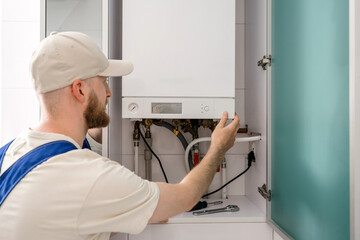
Keeping your furnace up to date can prevent costly breakdowns that leave you with a frigid home. There are several maintenance tasks you can perform yourself that will improve your system’s performance and energy efficiency, such as changing the air filter and cleaning the vents and air return ducts. These tasks should be combined with an annual professional inspection from HVAC Fredericksburg VA pro to keep your furnace in tip-top shape for years to come.

Your heating system’s thermostat plays an essential role in ensuring your home is comfortable and efficient. Its accuracy depends on its location in your house, which should be away from drafty windows, doors, skylights and direct sunlight. Your thermostat should also be easily accessible so you can program it easily and read its display. If yours shuts on and off constantly, it could be a sign of short-cycling, which occurs when your furnace has to work harder to heat the home because the airflow is restricted.

A furnace pro can inspect your thermostat for a number of issues, including faulty wiring or a thermostat that is reaching the end of its lifespan. A new programmable thermostat can save you money on your energy bills and keep your home’s temperature perfectly regulated.

The technician will also test the blower motor and check the performance of the run capacitor, which acts like a battery for the fan. They’ll also confirm the blower venting is unobstructed and look for signs of carbon monoxide, such as rust or water streaks on the flue pipe.

If your furnace is leaking carbon monoxide, it’s important to call a professional as soon as possible. Carbon monoxide is an odorless, tasteless gas that can be deadly in high concentrations. A professional will be able to determine whether the leak is from a cracked heat exchanger, a burned out flame sensor or an open pilot valve.

A professional will also drain the condensation from the furnace’s evaporator coil and flue trap. Doing so prevents clogs that could restrict airflow and cause the system to overheat. They’ll also drain the furnace and clean the blower fan. This ensures the fan isn’t obstructed and that it can circulate the right amount of heated air throughout your home.

Clean the Filter

A dirty furnace filter restricts airflow, reducing system efficiency and potentially causing your heating costs to rise. It can also cause overheating and cracking of the heat exchanger, which could lead to carbon monoxide leaks. The best way to protect your home and your family from these dangers is to clean your filter regularly, especially between recommended replacement intervals.

Most electrostatic filters slide into rails inside a removable panel or door compartment on the unit. Refer to your owner’s manual to locate this area and learn how to open the panel or door for cleaning. When the filter is removed, remove any loose dirt or debris on its surface with a soft brush attachment or vacuum hose nozzle. Avoid using water or chemical cleaners on electrostatic air filters, as they’re susceptible to damage from these substances. After cleaning, carefully slide the filter back into place. If toggles or clips were removed when the filter was initially removed, reattach these components to properly secure the filter and restore electrical power at the breaker box.

It’s a good idea to clear space around the furnace and make sure the return vent and supply vent are free of obstructions, such as furniture, rugs, and curtains. This ensures adequate ventilation and prevents overworking the heating system. It’s also a good idea to check the vents and registers for signs of blockage, such as discoloration, corrosion, or soot accumulation.

Your local dealer will perform more thorough inspections and cleaning, including an evaluation of the heat exchanger for any cracks or deterioration that could lead to carbon monoxide leaks. They’ll also assess the ignition, checking the flame color to determine the oxygen level being fed to the burners for optimum combustion and efficiency.

Other essential maintenance tasks your pro will perform include draining condensation from the heater’s vent and trap, which reduces the risk of a clogged gas line and possible system shutdown. They’ll also inspect and clean the blower motor and fan, lubricating moving parts like the fan bearings to extend their lifespan and testing safety controls and switches for proper operation.

Clean the Burners

If you have a gas furnace, it’s important to clean the burners regularly. This reduces fire hazards, increases safety, and helps the equipment operate properly. The burners should be cleaned after each use and once a year. Before you begin cleaning the burners, shut off the gas to avoid any dangerous accidents. Use a wire scrubber and warm water to clean the burners. Then, let the burners dry.

When the burners are dry, they’ll have a black, powdery residue that can soil your gloves. Using a clean cloth, wipe off the residue and remove any remaining carbon from the burners. If you have a stainless steel stove, be careful not to scratch it as the grates may be delicate.

It’s best to leave most maintenance tasks, like thermostat inspection and filter replacement, to a professional. A professional can also inspect your flue pipe, check for loose connections and rust on the heat exchanger, and more. This prevents expensive repairs and helps your home stay warmer and safer.

During an inspection, your technician will test the temperature rise between the air vent and the air return, ensuring enough air is processing through the system. They will also look for dirt and dust buildup, which can affect system efficiency and cause the heat exchanger to overheat.

If your heating system is powered by natural gas, a pro will inspect the flue pipe and burners to ensure they are functioning correctly. A malfunctioning flue pipe can allow dangerous carbon monoxide into your home, resulting in deadly exposure.

Your technician will also test the safety sensors and controls of your furnace to ensure they are functioning properly. They will also verify that the gas pressure is set correctly.

In addition to the routine maintenance steps above, you should regularly clear space around your furnace and keep it free of boxes, storage bins, and other clutter. This will prevent tripping or falling over items and make it easy for your technician to access the unit. Also, be sure your vents and registers aren’t blocked by furniture, rugs, or curtains. Blocked vents will restrict proper heating and can increase energy costs and lead to equipment failure.

Clean the Flue Pipe

The flue pipe (also known as a furnace exhaust stack or vent) is an important part of a home’s heating system. Its job is to transfer dangerous combustion gasses like carbon monoxide to the outside air so that families can breathe safely and without fear of health complications. Inhaling these fumes can lead to serious, even life-threatening illnesses, so it’s crucial that homeowners keep their flue pipes clean and in good condition.

A professional can use a chimney sweep brush to thoroughly clean your home’s flue pipe. However, it’s important to note that you shouldn’t attempt to do this yourself because it can damage your furnace and void its warranty. It can also pose a danger to you and your family because if the chimney becomes clogged with creosote or other contaminants, they can easily escape into your home’s living space.

When you’re ready to inspect your flue pipe, first make sure the furnace is turned off and that the gas valve is closed. Then, locate the long tube of piping (typically gray or white) that runs from your chimney to the top of the exterior wall. Look for a vent cap that is topped with a circular piece of metal.

Once you’ve found the flue pipe, you’ll need a ladder to get to the roof and carefully look at it. Check for cracks, holes, water stains, loose joints and soot buildup on the pipe’s surface.

Then, remove the steel vent cap and pass a chimney brush along the entire length of your flue pipe to remove any creosote that’s accumulated on its surface. Once you’ve scrubbed your flue pipe, replace the cap and then wipe it down with a cloth to ensure that it is completely dry.

There are many important maintenance tasks that a homeowner can perform themselves, but the most thorough inspection and cleaning of a home’s heating system should always be left to a qualified technician. A pro can detect small issues that may go unnoticed by a homeowner and ensure that your heating system is running at its best all winter long.

Understanding the Mechanical Components of Your Air Conditioning System

It is important to know if you are purchasing a properly sized air conditioner. This will determine the purchase cost and efficiency of the system.

hvac

An air conditioner cools inside air by removing heat and humidity from it. To do this it uses a chemical called refrigerant that changes from a liquid to a gas and back again. The system has three main mechanical components: a compressor, a condenser and an evaporator coil. Understanding how they work helps you appreciate why regular maintenance is so important.

In addition to cooling, modern air conditioning provides humidification and ventilation as well. The need for these functions dates back to early humans inventing ways to improve indoor living conditions by controlling moisture levels. For example, Egyptians used wind shafts that circulated water in their walls to cool interior spaces.

The development of modern air conditioning accelerated after World War II, as economic growth, industrial expansion and suburban housing booms brought the technology into many homes and businesses. In the 1970s, new, more efficient refrigerants such as chlorofluorocarbon (CFC) replaced older, toxic chemicals and made systems more compact and cost-effective to install and run.

The cooling cycle starts when the thermostat senses that the inside temperature is higher than it should be and signals the air conditioner to come on. The refrigerant flows through the compressor and condenser and absorbs heat from the air, changing it from a liquid to a high-temperature, high-pressure vapor. The vapor then travels to the evaporator coil, where it loses its heat and turns back into a liquid. The cooled liquid moves to the expansion valve, where it is pushed out of the outdoor unit through a series of copper tubes into the ductwork that carries it throughout the home or building.

When the evaporator coil in the ductwork absorbs the warm air from the ducts, it pulls in cool refrigerant. As the vapor flows over the evaporator coil, it picks up humidity as it goes. That’s why the cooled air in your house or office has that fresh, clean smell to it.

The cooled air is then circulated by fans in your house or office, and the refrigerant returns to its original state in the compressor, where it repeats the process. This cycle is repeated over and over until the desired temperature is reached.

Refrigerant

Refrigerant is the lifeblood of your air conditioner. Without it, your cooling system wouldn’t be able to transfer heat from indoors to outdoors, keeping your home cool and comfortable.

Refrigerants are a group of chemicals that can easily transform from a liquid to a gas and back again, so they can absorb and expel heat. They circulate in the air conditioning system at high pressure: 105-143 psi (pounds per square inch) for R-410A systems and 60-85 psi for R-22 systems. They’re colorless and odorless, and they’re sealed in strong copper tubing so they can’t escape. Despite being so crucial, refrigerants are not well understood by the average homeowner. That’s why it’s important to have a trustworthy professional service your system regularly.

A professional AC technician will charge your system, a process called “charging.” This involves adding the right amount of refrigerant to bring it to factory specifications. The technician will also monitor the temperature and pressure of the refrigerant to make sure it’s working within its optimal range.

There are several different types of refrigerants used in ACs, and not all of them are the same. For example, R-22 refrigerant was commonly used in older ACs, but it is now being phased out because of its chlorine content, which causes environmental damage. Newer ACs use R-410A, a haloalkaline refrigerant with low ozone depletion potential.

If you have an old AC, it’s worth considering upgrading to a newer refrigerant to improve its energy efficiency. This will save you money on your energy bills while reducing the impact on our environment.

It’s important to know the signs of low refrigerant so you can get your AC serviced quickly. Warm air coming from the vents, ice on the coils, and hissing sounds are all indications that your refrigerant levels aren’t what they should be. You should also keep in mind that adding more refrigerant to an existing system can cause it to leak, so if you’re having to recharge your AC frequently, there may be another underlying issue. The professionals at Lee Company can perform a variety of leak tests to pinpoint the source of the problem and fix it before it becomes worse.

Coils

Coils are a key part of an air conditioning unit. They absorb the heat in your home to cool it down, and they also help dehumidify by removing moisture from the air. However, coils can be damaged or become dirty for many reasons, and if not addressed quickly, they can lead to expensive AC repairs. To prevent this, it’s important to understand how coils affect your AC unit and what signs indicate you may need to call a professional for AC repair.

While coils and springs are often used interchangeably, they have distinct differences in their functionality. Coils are mechanical components that are formed by winding flexible materials into a spiral shape, while springs refer to a more general category of mechanisms that store and release mechanical energy. Both are used extensively in a wide range of applications, from electrical devices to automobile suspensions and mattresses.

An air conditioner with dirty coils is less efficient than one that’s clean. Dirt on the evaporator coil acts like a blanket that blocks heat transfer, forcing your system to work harder to maintain a comfortable temperature. This leads to higher electricity bills, and it puts unnecessary stress on other components, shortening their lifespans.

Another problem with dirt on the evaporator coil is that it can cause ice formation. This happens when the refrigerant inside the coil gets too cold due to restricted airflow or low refrigerant levels, causing ice to form. Without sufficient refrigerant, the evaporator coil can’t effectively absorb and disperse heat, and the cooling process will break down.

A clogged outdoor coil is the next major issue that can plague your AC unit. It releases the heat that the refrigerant absorbed indoors, and it does this in conjunction with the condenser fan. However, if the coils become dirty or blocked by debris, it can’t release that heat effectively, and the entire system will break down. Fortunately, cleaning the outside coil is a relatively simple process. It just involves shutting off the power to your AC unit, removing the outer cover, and spraying them with a non-toxic cleaner. It’s a good idea to perform this at least once every other year, but twice-yearly cleaning is optimal in areas with heavy pollution or high pollen counts.

Condenser Fan

The condenser fan is a vital component of your AC system that promotes heat dissipation. Located outside in your AC unit, it powers the fan that draws outdoor air over the coils to help release refrigerant that has absorbed heat from your home. Without this fan motor, the heat won’t be dissipated properly and your cooling system won’t function as well.

A failing fan motor can cause many different problems including weak or uneven air flow from your vents, weird noises such as squealing or grinding, and increased energy bills. The good news is that you can often prevent this by keeping your air filters clean, performing routine maintenance, and following early warning signs of failure such as poor performance or unusual sounds.

How Do I Know if My AC Condenser Fan is Burnt Out?

The most common problem with your condenser fan is that it simply won’t turn on. This is usually caused by a blown fuse or tripped circuit breaker. It can also be a sign that you have an electrical issue, so it is best to call an HVAC professional to diagnose and fix the problem.

Another common reason for a bad fan is that the capacitor or contactor has gone bad. These are electrical components that store energy for the fan and need to be replaced by a licensed contractor.

Other reasons your condenser fan may not be working include a dirty air filter, overheating, or a faulty thermostat. If the thermostat is faulty, it may not read the right temperature and will shut the system off before it reaches your desired temperature. It can also stop and start frequently, or even turn on unnecessarily, which is a big waste of energy.

In the future, we can expect to see advances in condenser fan technology to promote better cooling performance and energy efficiency. There is already talk of using lighter, stronger materials for the fan, and researchers are working on ways to improve the efficiency of automotive fans. This will help save consumers on fuel and reduce emissions, making it a win-win for everyone involved.

Visit our Professional Services Blogs

Chris Atkins Lawncare, Atticus Landscaping, Treasure Coast Pressure Wash, Gulf Beach Plumbing, Marlborough Plumbing, Guns And Hoses Pressure Washing, Ambrose Construction, Coral Gables Pressure Washing, Willco Photography, Roofing Akron, Danalogsdon Roofing El Cajon, EC Siding Roofing Windows, Aurora Gutter, American Insurance Source, ECO, etdn, Denison Service League,  Roofing Blog, Atlantic Vinyl Windows, Brookshires Fireplaces, JD Advanced Remodeling, Product Judgment, Master Dry Foundation Repair, Moe’s Hip, Elta Patio Paramount, Rock Around The Clock Festival, Learn, Play, Beyond, MoralesT Gardening, Car Window Tinting Perth, Duncan Carpentry, Gatestone Lighting, Mid Missouri Mold Inspections, Stucco Repair Albuquerque, Wausau Siding Hire, Munster Tree Care, Blue Granite Homes, Custom House, CENTRAL OS, Atlanta Pavers, Phillips Law Firm, Brent Ryder MasonryWalker Construction Drywall Division, RJ Law, Caledon Plumbing, DDS Tech USA, Maine Mortgage Services, Inckpen, Seasons at Rose Creek, Cottonwood Place Dental, Cosmetic Laser 2000 

Cleaning Tips for Refinished Cabinets Without Damaging the Finish

Cabinet Refinishing

Before refinishing cabinets, you must thoroughly clean them to remove grease and dirt. You also need to light sand the existing surface to prepare it for staining.

Avoid scouring pads and sponges that can scratch the finish. These products may also contain chemicals that can damage the wood. For light splatters, dust and greasy fingerprints, a bit of soap in warm water is usually sufficient. Contact Cabinet Refinishing Modesto for more details.

Dish Soap

The first cleaning solution you should turn to for scrubbing your refinished cabinets is simple dish soap. It’s safe for the finish and is effective at removing food stains, grease, and general grime. For best results, mix your dish soap with warm water and apply it to a soft or lint-free cloth before scrubbing the surface.

Be sure to rinse off your soap solution completely after each use. Leaving residue can cause a film on the cabinet surfaces that can attract more dirt and dust over time.

Avoid scouring pads, steel wool, or wire-bristled brushes on your cabinets. These can leave scratches on wood surfaces, and can even strip paint finishes. If you need to scrub a hard-to-clean area, use an old toothbrush or scrub brush instead.

Olive oil is one of those popular “home remedies” that people love to recommend as a natural cleaner for their homes. However, the truth is that olive oil doesn’t clean well and can actually cause damage to your wood surfaces over time. This is because it consumes the natural oils in the wood, causing it to dry and crack.

Bleach, harsh acids, or alkaline cleaners can also strip the finish of your refaced cabinets. If you’re unsure of what type of cleaner is safe for your cabinets, always test any new cleaner on an inconspicuous area before using it on the entire surface.

In addition to avoiding these cleaners, there are a few other things you can do to keep your kitchen cabinets looking nice longer. Wipe up any spills as soon as they happen to prevent them from soaking in and staining the surface. Use liners or mats to protect the bottom of your cabinets from scuff marks and scratches. Don’t hang wet towels on your cabinets – they can create a damp environment that promotes the growth of bacteria and may cause wood warping or discoloration.

Vinegar

Vinegar is a staple in many kitchens and used for cooking, but it can also be an excellent cleaning agent. The acetic acid it contains makes it good for scrubbing away stains without damaging most surfaces, including wood or laminate. It is also a natural sanitizer, and can be used in place of chemical-laden kitchen cleaners.

For a refinished cabinet, vinegar can be especially effective at removing food residue and grease spots. This is particularly true when diluted with water and wiped onto a lint-free cloth or sponge. It is important to keep in mind, though, that a highly-concentrated vinegar solution can damage some surfaces. It should be used only in extreme cases and with great caution to avoid permanent damage.

White distilled vinegar is an inexpensive and readily available household product that can be used for multiple purposes, from cleaning windows to making homemade cleaners. Its acetic acid content also makes it effective for killing germs and bacteria, and cleaning sponges and countertops. In addition, it is a natural deodorizer and can be used to remove stains from clothing.

A variety of other vinegars can also be purchased, including apple cider vinegar, rice vinegar, and other specialty vinegars infused with herbs, spices, or fruit for unique flavor profiles. While all vinegar undergoes the same fermentation process, they differ in their acetic acid concentrations and properties.

While there is a certain amount of debate over whether vinegar can damage wood, many homeowners report that if it is used sparingly and only after other less harsh methods have been exhausted, the results are generally positive. For example, white vinegar can be effective for removing soap build-up and mineral deposits from the surface of a wood countertop. However, it is not recommended that full-strength vinegar be used on granite or marble because the acids in the vinegar can permanently damage these types of stone.

Hot Water

The most common cleaners for cabinet surfaces can damage your refaced cabinets if not used correctly. Many chemical cleaners contain abrasives that can wear down the texture of wood, and they may also cause color loss or change.

Using natural products, including mild dish soap, is an effective way to clean your cabinets and keep them looking fresh. These natural cleaners won’t strip or dull the finish, and they are safe to use with your cabinets.

In addition to natural cleaning products, a clean, lint-free cloth or microfiber sponge can be used to wipe your cabinets. Dampen your cloth or sponge with a bit of water if necessary to remove stuck on food or grease. Be sure to dry your cabinets completely before putting them back in the kitchen, as moisture can damage the paint finish.

If you don’t have any natural cleaning products on hand, you can still clean your cabinets with hot water. This works best for removing small amounts of build-up and is safe for most types of wood finishes, including painted. Simply fill a bucket with warm water and add a few drops of dish soap. Dip a clean rag or sponge in the solution and wipe down your cabinets, making sure to dry them thoroughly.

Another option is to mix equal parts of vinegar and water in a spray bottle. This solution is great for sanitizing your cabinets and will kill any bacteria that are growing on them. Vinegar is a natural disinfectant, and it will cut through grease and repel bacteria from your cabinets.

When cleaning your cabinets, remember to avoid abrasive materials such as steel wool pads and brushes. These abrasive materials can damage your cabinets and leave behind unsightly scratches. You should also be careful not to hang damp towels near your cabinets, as this can expose them to excess moisture.

To help your refaced cabinets stay as pristine as possible, be sure to clean up spills immediately and to wipe them down frequently. This will prevent stains and food residue from building up on your cabinets and can extend the life of your finish. In addition, you should use a cabinet-specific polish or wax to give your cabinets a nice shine.

All-Purpose Cleaners

The right cleaner can help keep your cabinets looking great, but the wrong cleaning product can damage your new surface. Regular, everyday dish soap and hot water are classic choices that are reliable and safe for all cabinet surfaces. You can also try a vinegar and water solution, which cuts through tough grease and acts as a natural disinfectant. Vinegar is very acidic and should be heavily diluted before using, and you should always be sure to rinse thoroughly.

If you do need something a little more powerful, try a wood cabinet cleaner that is designed with your finish in mind. This will not only be tough on stains, but it will also preserve and condition the wood, so you won’t have to worry about damaging your painted or refinished surface. It’s best to test a small amount of the cleaner on an inconspicuous area first, just to be sure it won’t damage your cabinets.

Avoid anything too abrasive, as it may scratch your paint or refinished surface. Scouring pads, steel wool, or other abrasives will leave marks and could remove the sheen from your cabinets. Also, avoid using waxes on your cabinets as they can build up and lead to streaks.

It’s important to take care of your newly refaced or painted cabinets, as they are one of the most visible features in your kitchen. Taking the time to clean them regularly with one of the tips above will help your cabinets last longer, and will help them stay looking great for years to come. If your cabinets are in need of a little more attention, you can count on the experts at Redo Cabinets to provide quality cabinet refacing services in Centerville that will make them look brand-new! Get in touch with us today to see how we can help.

Pest Control for Rental Properties and Multi-Unit Buildings

Managing rental properties and multi-unit buildings comes with a unique set of challenges, and among the most pressing is effective pest control. Unlike single-family homes, these properties house multiple tenants, share common areas, and often experience higher foot traffic. These factors create an environment that can attract and sustain pest populations if preventive measures are not implemented consistently.

Effective pest control in rental properties is not just about maintaining aesthetics—it is essential for protecting the health of residents, preserving property value, and ensuring compliance with safety and sanitation standards. Click Here to discover more information.

pest control

Pest infestations in multi-unit buildings can escalate quickly due to the interconnected nature of the spaces. Rodents, insects, and other pests can move from one unit to another through walls, plumbing, or shared ventilation systems. This means that a single neglected apartment can jeopardize the entire building if not addressed promptly. Property owners and managers must take a proactive approach that includes regular inspections, preventive measures, tenant education, and professional pest control services.

Understanding Common Pests in Multi-Unit Buildings

Certain pests are more likely to affect rental properties due to the presence of multiple residents, shared facilities, and limited maintenance in some areas. Common issues include:

  1. Rodents: Mice and rats can cause structural damage by gnawing on wires, insulation, and walls. They are also carriers of disease, making early intervention crucial.
  2. Cockroaches: These insects are particularly common in kitchens and shared trash areas. They can spread bacteria and trigger allergies or asthma among residents.
  3. Bed Bugs: These pests are notorious for spreading quickly in multi-unit buildings, often moving between apartments through walls or shared furniture.
  4. Ants and Other Insects: While seemingly minor, ants and other crawling insects can invade food storage areas and create sanitation concerns.

Recognizing the types of pests that commonly target rental properties allows property managers to prioritize inspections and preventive strategies. Addressing issues early reduces the likelihood of infestations spreading between units and becoming costly to resolve.

The Importance of Preventive Pest Control

Prevention is the cornerstone of effective pest management in rental properties and multi-unit buildings. Waiting until an infestation occurs often results in higher costs, increased tenant complaints, and potential property damage. Preventive measures focus on reducing conditions that attract pests, making it harder for them to establish themselves in the first place.

Some key preventive strategies include:

  1. Regular Inspections: Scheduled inspections help identify potential entry points, signs of pest activity, or environmental factors that encourage infestations. These inspections should cover all units, shared spaces, and exterior areas.
  2. Sanitation and Waste Management: Proper disposal of garbage, routine cleaning of shared kitchens and laundry areas, and preventing food accumulation in individual units help reduce food sources for pests.
  3. Moisture Control: Leaks, condensation, and poor ventilation attract insects and rodents. Addressing plumbing issues and maintaining proper airflow throughout the building can minimize pest risks.
  4. Structural Maintenance: Sealing cracks, repairing damaged walls, and installing door sweeps or window screens prevent pests from entering and spreading within the building.

Implementing these preventive measures consistently across all units ensures that pests do not find easy access points or sources of sustenance. This approach not only protects residents but also minimizes the long-term costs of pest control.

Coordinating Pest Control Efforts Across Units

Effective pest control in multi-unit buildings requires a coordinated effort. Unlike a single home, where the property owner can manage one environment, multi-unit buildings involve multiple occupants with varying habits and levels of compliance. To achieve optimal results, property managers should adopt a system-wide approach that integrates inspections, communication, and treatment.

Professional pest control services are particularly valuable in this context. Experts can evaluate each unit, identify hotspots, and develop a comprehensive treatment plan that addresses the building as a whole. Treatments are scheduled strategically to minimize disruption to tenants while ensuring coverage across all areas, including common spaces such as hallways, stairwells, and shared laundry or storage facilities.

Additionally, ongoing monitoring is essential to detect recurring problems. Many pests, such as bed bugs or rodents, are persistent and require follow-up treatments. By tracking pest activity over time, property managers can identify patterns, adjust preventive measures, and respond quickly to emerging threats.

Tenant Education and Participation

Tenant involvement is a critical component of pest control in rental properties. Residents have daily influence over conditions that either attract or deter pests. Educating tenants about best practices not only helps prevent infestations but also encourages cooperation during inspections and treatments.

Key points for tenant education may include:

  1. Proper Food Storage: Using sealed containers and avoiding leaving food out reduces the availability of food for pests.
  2. Prompt Reporting: Tenants should report signs of pests immediately, enabling early intervention before infestations spread.
  3. Waste Management: Encouraging responsible garbage disposal and recycling practices helps reduce attraction for rodents and insects.
  4. Routine Cleaning: Maintaining cleanliness in individual units and shared spaces minimizes conditions conducive to pest activity.

Tenant cooperation combined with professional pest management strengthens the effectiveness of preventive strategies and fosters a safer, healthier living environment for all residents.

Addressing Challenges Unique to Multi-Unit Buildings

Pest control in rental properties presents several unique challenges compared to single-family homes. Shared walls, utility lines, and HVAC systems can serve as pathways for pests, allowing infestations to spread quickly. Additionally, coordination among multiple tenants can be challenging, especially when scheduling inspections or treatments.

To address these challenges, property managers should implement clear protocols and communicate regularly with residents. Notifications regarding inspections, treatment schedules, and preventive recommendations help ensure tenant compliance. Professional pest control providers often assist in this coordination, offering flexible scheduling and discrete treatment methods that minimize disruption to tenants’ daily lives.

Another challenge is the potential for legal and regulatory compliance. Many local housing codes require landlords to maintain pest-free living conditions. Regular pest inspections and documented treatments not only meet these obligations but also protect property owners from potential disputes or liability claims. Maintaining accurate records of pest control activities is a best practice that demonstrates due diligence and reinforces tenant trust.

Long-Term Benefits of Regular Pest Control

Investing in regular pest control for rental properties and multi-unit buildings offers multiple long-term benefits. First, it protects property value by preventing damage to structures, wiring, and insulation caused by persistent infestations. Second, it enhances tenant satisfaction and retention, as residents are more likely to stay in properties where they feel safe and comfortable. Third, it supports compliance with health and safety standards, reducing the risk of fines or legal complications.

Preventive pest control also contributes to cost savings over time. Addressing issues before they escalate reduces the need for emergency treatments, extensive repairs, or unit renovations. A systematic, long-term approach to pest management is not only more effective but also more financially sustainable for property owners and managers.

Eco-Friendly Considerations in Multi-Unit Pest Control

As environmental awareness increases, property managers are increasingly adopting eco-conscious pest control strategies in rental properties. These methods focus on minimizing chemical use, implementing targeted treatments, and promoting sustainable practices. Eco-friendly approaches benefit tenants, reduce environmental impact, and maintain building aesthetics. Common strategies include the use of natural deterrents, baits, physical barriers, and Integrated Pest Management (IPM) techniques that rely on observation, prevention, and precise interventions.

Adopting eco-conscious methods also provides long-term health benefits. Reducing the reliance on chemical sprays minimizes exposure risks to residents and pets, creating a safer and more comfortable living environment. It also helps maintain the integrity of shared building spaces without leaving residues or odors that can affect tenant satisfaction.

Coordinating with Professional Pest Control Providers

Partnering with professional pest control providers is critical for successful management in rental properties. Experts have the training, tools, and experience to handle the complexities of multi-unit buildings. They can conduct thorough inspections, implement targeted treatments, and provide ongoing monitoring that ensures pests are managed efficiently across all units.

Professional services also provide documentation and reporting, which are invaluable for property managers. These records offer proof of due diligence in maintaining pest-free environments, support compliance with local housing regulations, and facilitate clear communication with tenants. Working with professionals ensures that pest control efforts are consistent, effective, and aligned with best practices for multi-unit living.

Pest control in rental properties and multi-unit buildings is a critical aspect of property management that goes beyond aesthetics. Effective pest management protects residents’ health, preserves structural integrity, maintains property value, and supports legal and regulatory compliance. By implementing preventive measures, coordinating treatments across units, educating tenants, and working with professional service providers, property managers can establish a proactive approach to pest control that minimizes risks and ensures long-term protection.

Regular inspections, timely interventions, and eco-conscious strategies not only reduce the likelihood of infestations but also enhance tenant satisfaction and operational efficiency. In multi-unit settings, where pests can spread quickly and challenges are magnified, consistent and comprehensive pest control is essential. Investing in these measures demonstrates a commitment to safety, sustainability, and quality living conditions, ultimately benefiting both tenants and property owners.

By prioritizing proactive pest management, rental property owners and facility managers can maintain a safe, healthy, and pest-free environment, ensuring that residents feel secure and buildings remain well-maintained for years to come.

Navigation