Cold weather poses many challenges for homeowners. Frozen pipes and single-digit temperatures can cause a lot of damage.Furnace pro services include cleaning the burners, checking the ignition, and inspecting the heat exchanger for cracks or rust. They also ensure that the vents are clear of obstructions. A clogged vent can result in carbon monoxide leaks. In addition, a furnace pro will ensure the run capacitor is functioning properly.
Check the Thermostat
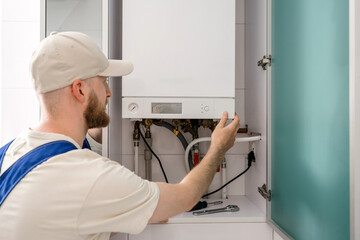
Keeping your furnace up to date can prevent costly breakdowns that leave you with a frigid home. There are several maintenance tasks you can perform yourself that will improve your system’s performance and energy efficiency, such as changing the air filter and cleaning the vents and air return ducts.
Your heating system’s thermostat plays an essential role in ensuring your home is comfortable and efficient. Its accuracy depends on its location in your house, which should be away from drafty windows, doors, skylights and direct sunlight. Your thermostat should also be easily accessible so you can program it easily and read its display. If yours shuts on and off constantly, it could be a sign of short-cycling, which occurs when your furnace has to work harder to heat the home because the airflow is restricted.
A furnace pro can inspect your thermostat for a number of issues, including faulty wiring or a thermostat that is reaching the end of its lifespan. A new programmable thermostat can save you money on your energy bills and keep your home’s temperature perfectly regulated.
The technician will also test the blower motor and check the performance of the run capacitor, which acts like a battery for the fan. They’ll also confirm the blower venting is unobstructed and look for signs of carbon monoxide, such as rust or water streaks on the flue pipe.
If your furnace is leaking carbon monoxide, it’s important to call a professional as soon as possible. Carbon monoxide is an odorless, tasteless gas that can be deadly in high concentrations. A professional will be able to determine whether the leak is from a cracked heat exchanger, a burned out flame sensor or an open pilot valve.
A professional will also drain the condensation from the furnace’s evaporator coil and flue trap. Doing so prevents clogs that could restrict airflow and cause the system to overheat. They’ll also drain the furnace and clean the blower fan. This ensures the fan isn’t obstructed and that it can circulate the right amount of heated air throughout your home.
Clean the Filter
A dirty furnace filter restricts airflow, reducing system efficiency and potentially causing your heating costs to rise. It can also cause overheating and cracking of the heat exchanger, which could lead to carbon monoxide leaks. The best way to protect your home and your family from these dangers is to clean your filter regularly, especially between recommended replacement intervals.
Most electrostatic filters slide into rails inside a removable panel or door compartment on the unit. Refer to your owner’s manual to locate this area and learn how to open the panel or door for cleaning. When the filter is removed, remove any loose dirt or debris on its surface with a soft brush attachment or vacuum hose nozzle. Avoid using water or chemical cleaners on electrostatic air filters, as they’re susceptible to damage from these substances. After cleaning, carefully slide the filter back into place. If toggles or clips were removed when the filter was initially removed, reattach these components to properly secure the filter and restore electrical power at the breaker box.
It’s a good idea to clear space around the furnace and make sure the return vent and supply vent are free of obstructions, such as furniture, rugs, and curtains. This ensures adequate ventilation and prevents overworking the heating system. It’s also a good idea to check the vents and registers for signs of blockage, such as discoloration, corrosion, or soot accumulation.
Your local dealer will perform more thorough inspections and cleaning, including an evaluation of the heat exchanger for any cracks or deterioration that could lead to carbon monoxide leaks. They’ll also assess the ignition, checking the flame color to determine the oxygen level being fed to the burners for optimum combustion and efficiency.
Other essential maintenance tasks your pro will perform include draining condensation from the heater’s vent and trap, which reduces the risk of a clogged gas line and possible system shutdown. They’ll also inspect and clean the blower motor and fan, lubricating moving parts like the fan bearings to extend their lifespan and testing safety controls and switches for proper operation.
Clean the Burners
If you have a gas furnace, it’s important to clean the burners regularly. This reduces fire hazards, increases safety, and helps the equipment operate properly. The burners should be cleaned after each use and once a year. Before you begin cleaning the burners, shut off the gas to avoid any dangerous accidents. Use a wire scrubber and warm water to clean the burners. Then, let the burners dry.
When the burners are dry, they’ll have a black, powdery residue that can soil your gloves. Using a clean cloth, wipe off the residue and remove any remaining carbon from the burners. If you have a stainless steel stove, be careful not to scratch it as the grates may be delicate.
It’s best to leave most maintenance tasks, like thermostat inspection and filter replacement, to a professional. A professional can also inspect your flue pipe, check for loose connections and rust on the heat exchanger, and more. This prevents expensive repairs and helps your home stay warmer and safer.
During an inspection, your technician will test the temperature rise between the air vent and the air return, ensuring enough air is processing through the system. They will also look for dirt and dust buildup, which can affect system efficiency and cause the heat exchanger to overheat.
If your heating system is powered by natural gas, a pro will inspect the flue pipe and burners to ensure they are functioning correctly. A malfunctioning flue pipe can allow dangerous carbon monoxide into your home, resulting in deadly exposure.
Your technician will also test the safety sensors and controls of your furnace to ensure they are functioning properly. They will also verify that the gas pressure is set correctly.
In addition to the routine maintenance steps above, you should regularly clear space around your furnace and keep it free of boxes, storage bins, and other clutter. This will prevent tripping or falling over items and make it easy for your technician to access the unit. Also, be sure your vents and registers aren’t blocked by furniture, rugs, or curtains. Blocked vents will restrict proper heating and can increase energy costs and lead to equipment failure.
Clean the Flue Pipe
The flue pipe (also known as a furnace exhaust stack or vent) is an important part of a home’s heating system. Its job is to transfer dangerous combustion gasses like carbon monoxide to the outside air so that families can breathe safely and without fear of health complications. Inhaling these fumes can lead to serious, even life-threatening illnesses, so it’s crucial that homeowners keep their flue pipes clean and in good condition.
A professional can use a chimney sweep brush to thoroughly clean your home’s flue pipe. However, it’s important to note that you shouldn’t attempt to do this yourself because it can damage your furnace and void its warranty. It can also pose a danger to you and your family because if the chimney becomes clogged with creosote or other contaminants, they can easily escape into your home’s living space.
When you’re ready to inspect your flue pipe, first make sure the furnace is turned off and that the gas valve is closed. Then, locate the long tube of piping (typically gray or white) that runs from your chimney to the top of the exterior wall. Look for a vent cap that is topped with a circular piece of metal.
Once you’ve found the flue pipe, you’ll need a ladder to get to the roof and carefully look at it. Check for cracks, holes, water stains, loose joints and soot buildup on the pipe’s surface.
Then, remove the steel vent cap and pass a chimney brush along the entire length of your flue pipe to remove any creosote that’s accumulated on its surface. Once you’ve scrubbed your flue pipe, replace the cap and then wipe it down with a cloth to ensure that it is completely dry.
There are many important maintenance tasks that a homeowner can perform themselves, but the most thorough inspection and cleaning of a home’s heating system should always be left to a qualified technician. A pro can detect small issues that may go unnoticed by a homeowner and ensure that your heating system is running at its best all winter long.