Tag: pest control company

How Long Does Pest Control Treatment Last?

How long does pest control treatment last

Pests contaminate food and living spaces. They cause stress, sleeplessness and a general feeling of “ewwww” at home. They destroy furniture, electrical wires and gnaw through pipes and insulation like an all-you-can-eat buffet, increasing the risk of fires, flooding and costly damage.

Pest Control Fort Pierce treatment is essential to get rid of pests and restore your peace of mind. However, you might be wondering how long does it last?

Treatment Duration

In most cases, pest control treatments last a few days to a few weeks. If you still see pests in or around your home a few days after treatment, it’s a good idea to call your exterminator and schedule a recheck. In the meantime, you can take steps to help pests die off more quickly.

Getting rid of pests with pest control takes time and effort on both the homeowner’s and exterminator’s part. Preventative measures, such as cleaning up food, putting away pet toys and dishes, and sealing cracks and holes, can reduce pest infestations so they don’t require reactive treatment.

The length of a pest control treatment depends on the type of pest and the treatment method. Mosquito control treatments, for example, take 30 minutes to 2 hours, while bed bug treatments usually last a few days. Immediate results are often seen for mosquito control, ant, and other household pests, but termites may take longer to show visible effects.

Pesticides can also linger in the air for a while after application, so they’ll continue to kill pests for a period of time afterward. However, they’ll lose effectiveness over time, and it will be necessary to renew them. Some homeowners choose to use bait stations instead of spraying, which reduces the amount of pesticide used.

When you have a pest control service scheduled, it’s important to clear the area before the technician arrives. Clearing the area gives them easier access to areas where pests are hiding and allows them to focus their efforts more efficiently. It’s also a good idea to move your pets or children to a safe place for the duration of the treatment.

Rain can also shorten the life of some pest control treatments. This is especially true of chemical pesticides, which will only be effective in certain weather conditions. For this reason, it’s best to have your pest control services completed in the summer or fall when the weather is dry and consistent. However, many pest control companies incorporate integrated pest management (IPM) strategies into their treatments to extend their results.

Environmental Conditions

Aside from the types of pesticides and application methods, environmental conditions significantly affect how long a treatment lasts. Depending on your location, weather can cause pests to move indoors or out, and it can affect their activity level. A warm, humid climate can allow some pests to stay active year-round, while a colder environment can cause them to slow down or move indoors.

Rain can also impact the effectiveness of treatments, especially if it’s consistent and heavy. This can shorten the duration of outdoor sprays and gel baits to just 60 days or less.

Another environmental factor that influences pest control treatments is water contamination. Chemical runoff from properties can carry pesticide residues into water systems, and this can negatively impact local fish populations and the quality of surrounding lakes, rivers, and creeks. It can also compromise municipal water supplies and turn a local pest infestation into a regional environmental issue.

Pest control professionals take all of these factors into consideration, and they work hard to prevent re-infestation between service visits. A mild issue like a few roaches or ants typically only requires a standard initial treatment followed by quarterly check-ins, while severe infestations require specialized heat treatments or insect growth regulators for complete eradication.

Insect Population

Insect populations are declining worldwide, causing serious concerns for the planet’s food supply, ecosystems and biodiversity. According to a 2021 metastudy, the global insect population is declining by at least 1% per year, which is eight times faster than mammals, birds and reptiles.

The causes of the insect decline are many and varied, including climate change, agriculture, habitat loss and pesticide use. In addition, invasive species are often on the rise, resulting in outbreaks of diseases such as dengue fever.

Agriculture and urbanization destroy natural habitats that support insect populations, reducing food sources and shelter. Over time, this leads to population loss for native insects and a boom in the number of invasive pests. Insects are also killed or displaced by pesticides, which kill not only targeted crop pests but also their natural enemies. This is why it is important to consider the impact of a pest control treatment at a systemic level.

Pesticides are known to disrupt the ecological balance between incipient pests and their natural predators and parasites. Moreover, they can cause an insect outbreak by suppressing or killing the beneficial insects that keep pest numbers under control. This is especially problematic when a single pesticide is used repeatedly, which allows the development of resistance in the pest species.

Biological pest control is an alternative to chemical treatments that relies on the natural mechanisms of predation, parasitism, herbivory and pathology to reduce pest population levels. In classic biological control, the organisms that naturally target a pest are bred and then released into the environment in small batches or in one large-scale release. Ideally, the release is done in close proximity to a pest infestation and is managed over a long period of time to ensure that the new natural enemy populations establish themselves and are effective against the pest.

Although there are a wide range of sampling techniques for estimating the density of insect populations, no technique is perfect. This is because all methods are intrinsically biased in one way or another and may produce different results depending on the sampling method, environmental conditions and the pest in question.

Prevention

Pest control treatments are often a necessity for preventing or limiting the spread of unwanted organisms. Some of these organisms pose health risks, while others cause damage to property or the environment. Termites can eat away at wooden structures, while rodents may chew through electrical wiring, creating fire hazards and other safety issues. Preventive pest control services help ensure that these organisms do not enter homes or businesses to wreak havoc and cause expensive damage.

Different pests require different treatment methods. For example, a termite infestation requires sprayed barriers or granules while a flea infestation may be controlled through traps and other cultural controls. A thorough pest inspection is the first step to finding a pest management solution that will be effective for your home or business.

The duration of pest control treatment also depends on the types of chemicals used and environmental conditions. Chemical pesticides can contaminate soil and water if overused or misapplied, harming ecosystems and non-target species like pollinators and aquatic life. Integrated pest management (IPM) strategies use targeted pesticides and other preventative measures to minimize the impact of pesticides on the environment.

When it comes to long-term prevention, the most important thing is regular service. A monthly schedule is ideal for most homes, balancing efficiency and cost. It is possible to reduce the frequency of pest control services during cooler months, but regular maintenance will always be needed for certain pests, such as cockroaches and bed bugs.

It is normal to see an uptick in pest activity immediately after a treatment, as these organisms are forced out of their hiding spots by the pesticide. This increased activity is a good sign that the pest control treatment is working as intended.

Keeping your property clean and food properly stored can also be helpful for maintaining an insect-free environment. Clutter provides places for pests to breed and hide, while cluttered areas can make it difficult to access and spray targeted areas. Routinely removing debris, caulking cracks, and using steel wool to fill holes in walls can all improve the effectiveness of pest control treatments.
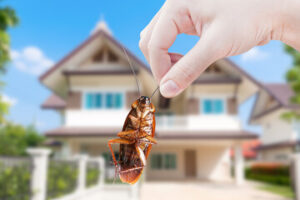
Pest Control for Rental Properties and Multi-Unit Buildings

Managing rental properties and multi-unit buildings comes with a unique set of challenges, and among the most pressing is effective pest control. Unlike single-family homes, these properties house multiple tenants, share common areas, and often experience higher foot traffic. These factors create an environment that can attract and sustain pest populations if preventive measures are not implemented consistently.

Effective pest control in rental properties is not just about maintaining aesthetics—it is essential for protecting the health of residents, preserving property value, and ensuring compliance with safety and sanitation standards. Click Here to discover more information.

pest control

Pest infestations in multi-unit buildings can escalate quickly due to the interconnected nature of the spaces. Rodents, insects, and other pests can move from one unit to another through walls, plumbing, or shared ventilation systems. This means that a single neglected apartment can jeopardize the entire building if not addressed promptly. Property owners and managers must take a proactive approach that includes regular inspections, preventive measures, tenant education, and professional pest control services.

Understanding Common Pests in Multi-Unit Buildings

Certain pests are more likely to affect rental properties due to the presence of multiple residents, shared facilities, and limited maintenance in some areas. Common issues include:

  1. Rodents: Mice and rats can cause structural damage by gnawing on wires, insulation, and walls. They are also carriers of disease, making early intervention crucial.
  2. Cockroaches: These insects are particularly common in kitchens and shared trash areas. They can spread bacteria and trigger allergies or asthma among residents.
  3. Bed Bugs: These pests are notorious for spreading quickly in multi-unit buildings, often moving between apartments through walls or shared furniture.
  4. Ants and Other Insects: While seemingly minor, ants and other crawling insects can invade food storage areas and create sanitation concerns.

Recognizing the types of pests that commonly target rental properties allows property managers to prioritize inspections and preventive strategies. Addressing issues early reduces the likelihood of infestations spreading between units and becoming costly to resolve.

The Importance of Preventive Pest Control

Prevention is the cornerstone of effective pest management in rental properties and multi-unit buildings. Waiting until an infestation occurs often results in higher costs, increased tenant complaints, and potential property damage. Preventive measures focus on reducing conditions that attract pests, making it harder for them to establish themselves in the first place.

Some key preventive strategies include:

  1. Regular Inspections: Scheduled inspections help identify potential entry points, signs of pest activity, or environmental factors that encourage infestations. These inspections should cover all units, shared spaces, and exterior areas.
  2. Sanitation and Waste Management: Proper disposal of garbage, routine cleaning of shared kitchens and laundry areas, and preventing food accumulation in individual units help reduce food sources for pests.
  3. Moisture Control: Leaks, condensation, and poor ventilation attract insects and rodents. Addressing plumbing issues and maintaining proper airflow throughout the building can minimize pest risks.
  4. Structural Maintenance: Sealing cracks, repairing damaged walls, and installing door sweeps or window screens prevent pests from entering and spreading within the building.

Implementing these preventive measures consistently across all units ensures that pests do not find easy access points or sources of sustenance. This approach not only protects residents but also minimizes the long-term costs of pest control.

Coordinating Pest Control Efforts Across Units

Effective pest control in multi-unit buildings requires a coordinated effort. Unlike a single home, where the property owner can manage one environment, multi-unit buildings involve multiple occupants with varying habits and levels of compliance. To achieve optimal results, property managers should adopt a system-wide approach that integrates inspections, communication, and treatment.

Professional pest control services are particularly valuable in this context. Experts can evaluate each unit, identify hotspots, and develop a comprehensive treatment plan that addresses the building as a whole. Treatments are scheduled strategically to minimize disruption to tenants while ensuring coverage across all areas, including common spaces such as hallways, stairwells, and shared laundry or storage facilities.

Additionally, ongoing monitoring is essential to detect recurring problems. Many pests, such as bed bugs or rodents, are persistent and require follow-up treatments. By tracking pest activity over time, property managers can identify patterns, adjust preventive measures, and respond quickly to emerging threats.

Tenant Education and Participation

Tenant involvement is a critical component of pest control in rental properties. Residents have daily influence over conditions that either attract or deter pests. Educating tenants about best practices not only helps prevent infestations but also encourages cooperation during inspections and treatments.

Key points for tenant education may include:

  1. Proper Food Storage: Using sealed containers and avoiding leaving food out reduces the availability of food for pests.
  2. Prompt Reporting: Tenants should report signs of pests immediately, enabling early intervention before infestations spread.
  3. Waste Management: Encouraging responsible garbage disposal and recycling practices helps reduce attraction for rodents and insects.
  4. Routine Cleaning: Maintaining cleanliness in individual units and shared spaces minimizes conditions conducive to pest activity.

Tenant cooperation combined with professional pest management strengthens the effectiveness of preventive strategies and fosters a safer, healthier living environment for all residents.

Addressing Challenges Unique to Multi-Unit Buildings

Pest control in rental properties presents several unique challenges compared to single-family homes. Shared walls, utility lines, and HVAC systems can serve as pathways for pests, allowing infestations to spread quickly. Additionally, coordination among multiple tenants can be challenging, especially when scheduling inspections or treatments.

To address these challenges, property managers should implement clear protocols and communicate regularly with residents. Notifications regarding inspections, treatment schedules, and preventive recommendations help ensure tenant compliance. Professional pest control providers often assist in this coordination, offering flexible scheduling and discrete treatment methods that minimize disruption to tenants’ daily lives.

Another challenge is the potential for legal and regulatory compliance. Many local housing codes require landlords to maintain pest-free living conditions. Regular pest inspections and documented treatments not only meet these obligations but also protect property owners from potential disputes or liability claims. Maintaining accurate records of pest control activities is a best practice that demonstrates due diligence and reinforces tenant trust.

Long-Term Benefits of Regular Pest Control

Investing in regular pest control for rental properties and multi-unit buildings offers multiple long-term benefits. First, it protects property value by preventing damage to structures, wiring, and insulation caused by persistent infestations. Second, it enhances tenant satisfaction and retention, as residents are more likely to stay in properties where they feel safe and comfortable. Third, it supports compliance with health and safety standards, reducing the risk of fines or legal complications.

Preventive pest control also contributes to cost savings over time. Addressing issues before they escalate reduces the need for emergency treatments, extensive repairs, or unit renovations. A systematic, long-term approach to pest management is not only more effective but also more financially sustainable for property owners and managers.

Eco-Friendly Considerations in Multi-Unit Pest Control

As environmental awareness increases, property managers are increasingly adopting eco-conscious pest control strategies in rental properties. These methods focus on minimizing chemical use, implementing targeted treatments, and promoting sustainable practices. Eco-friendly approaches benefit tenants, reduce environmental impact, and maintain building aesthetics. Common strategies include the use of natural deterrents, baits, physical barriers, and Integrated Pest Management (IPM) techniques that rely on observation, prevention, and precise interventions.

Adopting eco-conscious methods also provides long-term health benefits. Reducing the reliance on chemical sprays minimizes exposure risks to residents and pets, creating a safer and more comfortable living environment. It also helps maintain the integrity of shared building spaces without leaving residues or odors that can affect tenant satisfaction.

Coordinating with Professional Pest Control Providers

Partnering with professional pest control providers is critical for successful management in rental properties. Experts have the training, tools, and experience to handle the complexities of multi-unit buildings. They can conduct thorough inspections, implement targeted treatments, and provide ongoing monitoring that ensures pests are managed efficiently across all units.

Professional services also provide documentation and reporting, which are invaluable for property managers. These records offer proof of due diligence in maintaining pest-free environments, support compliance with local housing regulations, and facilitate clear communication with tenants. Working with professionals ensures that pest control efforts are consistent, effective, and aligned with best practices for multi-unit living.

Pest control in rental properties and multi-unit buildings is a critical aspect of property management that goes beyond aesthetics. Effective pest management protects residents’ health, preserves structural integrity, maintains property value, and supports legal and regulatory compliance. By implementing preventive measures, coordinating treatments across units, educating tenants, and working with professional service providers, property managers can establish a proactive approach to pest control that minimizes risks and ensures long-term protection.

Regular inspections, timely interventions, and eco-conscious strategies not only reduce the likelihood of infestations but also enhance tenant satisfaction and operational efficiency. In multi-unit settings, where pests can spread quickly and challenges are magnified, consistent and comprehensive pest control is essential. Investing in these measures demonstrates a commitment to safety, sustainability, and quality living conditions, ultimately benefiting both tenants and property owners.

By prioritizing proactive pest management, rental property owners and facility managers can maintain a safe, healthy, and pest-free environment, ensuring that residents feel secure and buildings remain well-maintained for years to come.

Navigation